Blood and Smoke in Hazarajat

Posted in Uncategorized with tags , , , , , , , , on January 25, 2010 by stevemccurry

Danger for the Taliban’s Favorite Victims

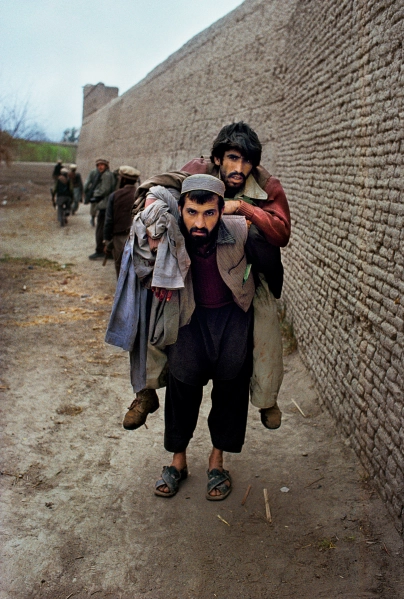
As the Taliban fights to make a comeback in Afghanistan, no group is in more danger than the Hazaras.  The Taliban’s favorite victims, hundreds of Hazara families froze to death while fleeing  their villages during winter attacks by the Taliban.

Hazaras work in a candy factory in Kabul, 2006

Farmers work in front of empty Buddha niches where the Taliban destroyed the Buddhas  that had stood for over a thousand years in Bamiyan, Afghanistan, 2002

During its reign, the Taliban wreaked destruction and  on as many Hazara communities as they could.   Scores of Hazara villages were totally destroyed and their people killed or left to search for shelter from the harsh environment of the Hindu Kush Mountains.
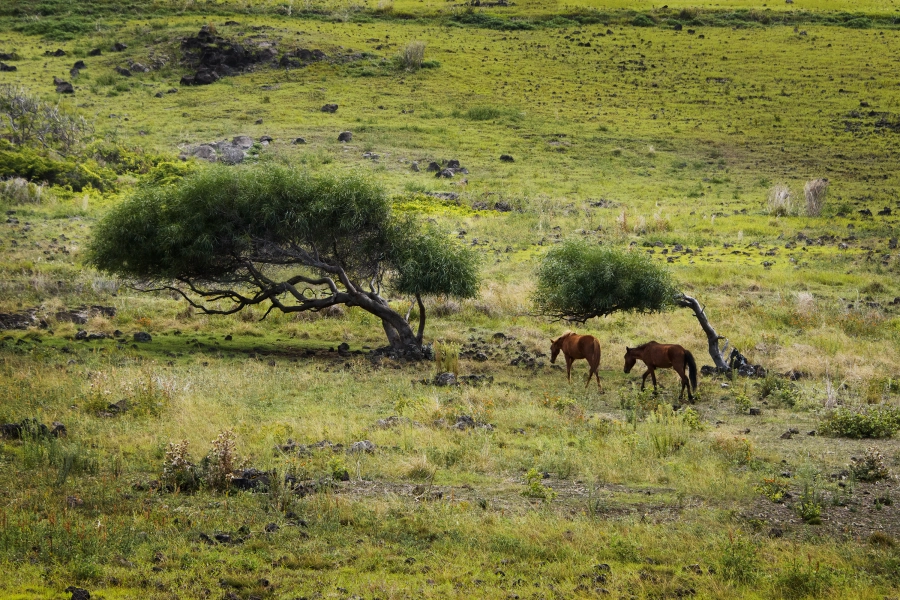
Bamiyan, Afghanistan, 2006

Persecuted for centuries, the Hazaras, Shiite Muslims, and protectors of the Buddhist treasures in Bamiyan for a thousand years, have been persecuted, tortured, and slaughtered, but the ravages of the Taliban are only one chapter in the long history of discrimination and abuse.
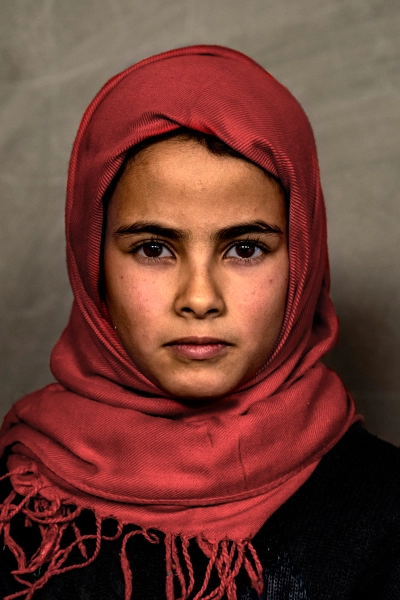
Hazara Girl, Kabul, 2002

A local official commented that their history has been characterized by “blood and smoke.”   He said that the pain is still in his heart because of the thousands that were slaughtered or died trying to escape.

Hazara School Boys, Bamiyan, 2002

Although most Hazaras live in central Afghanistan, the land they refer to as Hazarajat, the Hazaras who migrated to Kabul looking for work make up a large underclass, which takes jobs that other groups refuse – as bearers, street sweepers and other common laborers, the jobs that are referred to as “Hazara occupations.”  They are seen and insulted as “donkeys.”
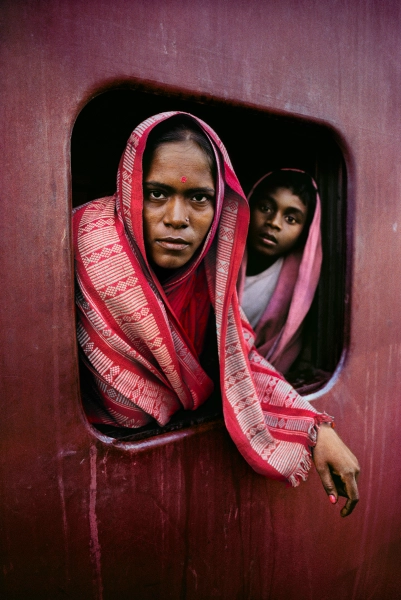
Hazara man pulling cart past a burning  house, Kabul, Afghanistan, 1985


Bamiyan, Afghanistan. 2007

His family is poor, his clothes used. But 15-year-old Ali Aqa isn’t deterred: He plans to be a lawyer. Childhood memories include Taliban occupation of his village in Bamiyan. “They burned everything, even my school,” he says. “I pray to God no regime comes like that again.
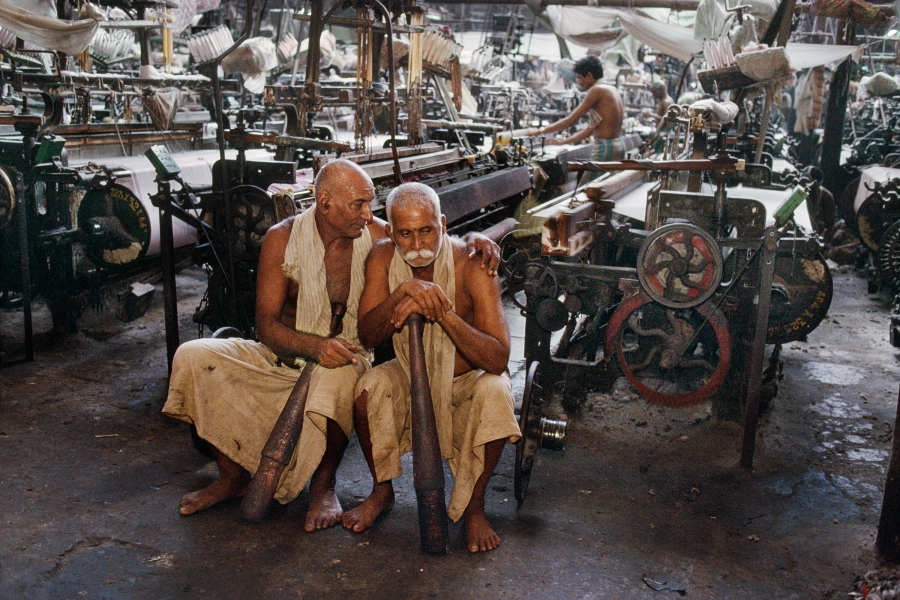
This fascinating and resilient people hopes to have a place at the table of Afghanistan’s government, but whatever happens in the central government in Kabul, these brave and independent people will continue to struggle for survival and dignity.


The Road to Hell is Paved with Good Intentions

Posted in Uncategorized with tags , , , , , , , , , on December 31, 2009 by stevemccurry
 
The Afghanistan Dilemma – Redux
Dead Afghan Soldier, Jalalabad, Afghanistan, 1992
 
 
Maybe one definition of hell is that it is the place where more effort produces fewer results. Five years ago, I could drive from Kabul over mountain passes in safety to the central highlands town of Bamiyan. Today, the only recommended way is to fly – if you can get a UN flight.
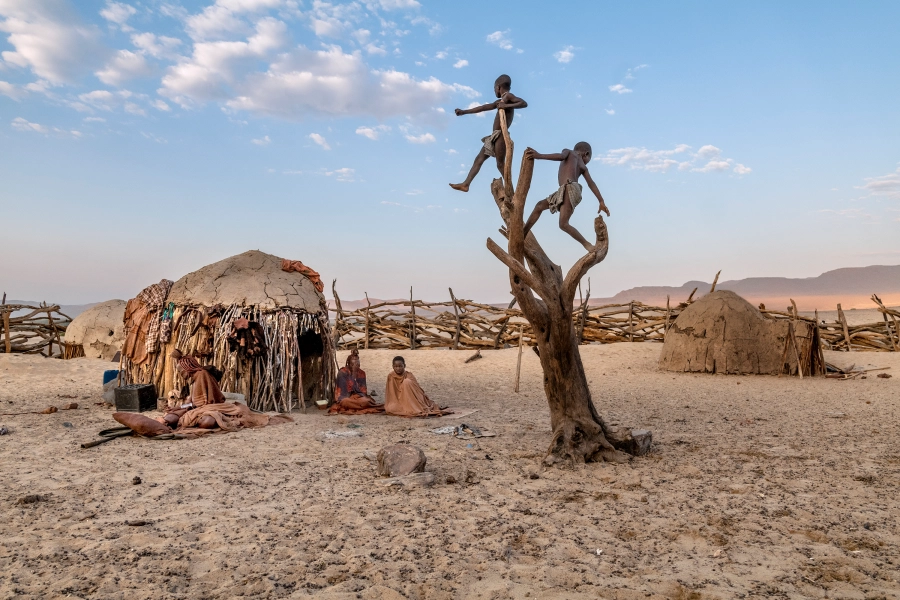
Today we have many more soldiers, contractors, and NGO’S than we did five years ago, yet it is far more dangerous today than it was then. We are getting fewer results with more boots on the ground.  That tells me that many do not understand the country, the history, the people, the terrain, the language, the religion, the culture.
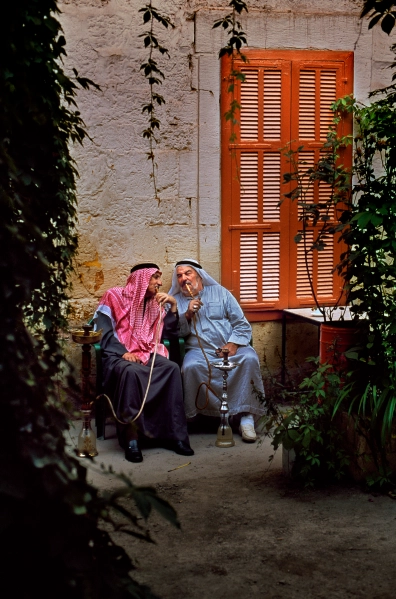
 
 
Mujahaddin holding up the head of an Afghan soldier, Kandahar, Afghanistan, 1989
As hard as outsiders have tried to “re-create” the country in their own image, Afghanistan  has been able to absorb the blows of superpowers, and remain essentially the same. The interesting thing to me is that the people trying to change it,  change more than the country does even after Herculean efforts of well-meaning governments, NGO’s, and coalitions. Look at the Soviet misadventure for evidence.

Kabul, Afghanistan, 1992

The Congressional Research Service recently said the United States has spent nearly $230 billion on the war in Afghanistan. That amount will jump to $300 billion once Congress has approved a military spending bill for fiscal 2010.  The question for all of us to ask is on what we are spending the money, and is it making a difference?  Do our leaders have any idea what they are trying to accomplish?  How many books have they read on Afghan history? How many officials based in Washington have stayed there more than a couple of days?

Mujahadeen fighter takes a looter to jail.  Kabul, 1992

Everyone wants Afghans to live their lives in a peaceful country where families can thrive, but our ideas to achieve that goal are often built on faulty assumptions.    President Obama may be a one-term president if the war goes badly, and who will decide if and when we “win.”  The concept of winning is dangerous. Do we win, or do the Afghans win, and do they even want that victory as we define it?

Kabul, Afghanistan, 1992

The road to hell is paved with good intentions. The problem is that intentions which are based on faulty assumptions are doomed to failure.

Red Cross Hospital, Kabul, Afghanistan, 1992

Kabul, Afghanistan, 1992

Kabul, Afghanistan, 1992

Insane Asylum, Kabul, Afghanistan, 1992


Don’t Wait for the Phone to Ring

Posted in Uncategorized with tags , , , , , , , , on December 22, 2009 by stevemccurry

I am often asked by photographers just starting out what advice I can offer.  Here are some tips which might be a good start.

Insatiable Curiosity
Being curious about life and things around you is an essential part of being a good photographer.
Hard work
Any endeavor, any profession requires a serious commitment and effort and hard work. Unless you are willing to commit to that, it’s best not to begin the journey.
Leave home
Leave home or leave your comfort zone. Being a good photographer doesn’t necessarily mean you travel to distant places, but you do need to get out of your comfort zone and explore,  wander and observe.

Fortitude and Determination
At times, there’s a lot of pick and shovel work to photography or any other profession, and you have to be ready to work your way through these tedious times.
Dig Deep
The process of learning never stops, but at a point it’s all kind of automatic in a way. If you look at the photographers whose work is widely admired you’ll see that  they’ve found a particular place or a subject, dug deep into it, and carved out something that’s become special.

Evolve, reinvent yourself, grow

You need to keep your heart and mind open. Life is  flowing in front of your eyes and you need to be open to respond and allow yourself to be touched by things which are extraordinary and let it change you.


Don’t wait for the phone to ring
Regardless of how successful you are, it’s important for you to spend your time photographing things that matter to you.  You need to understand the things that have meaning to you, and not what others think is important for you. Make things happen; don’t wait for others to offer opportunities.   Follow up.  Don’t wait for the phone to ring.  Pick up the phone and call.

Kabul, Afghanistan, 1992

In the Shadow of Mountains

Posted in Uncategorized with tags , , , , , , , , on December 16, 2009 by stevemccurry

A Portfolio of Images from Afghanistan

Classroom in Kunduz, Afghanistan, 2002

Allah is the mountain above the mountain, and it is He who entertains the idea — or not — of our next hour on the earth.

Girls High School, Bamiyan, 2006

This is why Afghans are reluctant to bet on tomorrow.  Tomorrow is not ours to presume upon.  Tomorrow is the pleasure of Allah alone.

Hazara women at grave in Bamiyan,  2007

Insha’Allah.  The pervasive,  overpowering feeling that is difficult to describe about Afghanistan.

Bread Vendor, Kabul, 1992

It is the stubborn and unassailable conviction – the ability to endure almost anything – that defines the Afghan soul and my fascination with it.

Father and daughter at home with folk art on the wall, Kamdesh, Nuristan,  Afghanistan, 1992

It is this powerful feeling that draws me there again and again.

Herat Ruins, 1992

Kabul, Afghanistan, 1992

Former soldier in facility for mentally ill patients,  Kabul, 1992

The Afghanistan Dilemma  – http://stevemccurry.wordpress.com/2009/10/04/393/

Children at Play

Posted in Uncategorized with tags , , , , , , , , , , , on December 9, 2009 by stevemccurry

Tanks become toys in Kandahar, Afghanistan, 1994

No matter how dire the situation, how dangerous the environment, children need to play.

Children play on an anti-aircraft gun near Beirut, Lebanon, 1982

Whether it is splashing in puddles or climbing on abandoned tanks, their world of make believe is almost as important as food and shelter.

Boys playing football in flooded pastures, Bangladesh, 1983


Man is most nearly himself when he achieves the seriousness of a child at play.

- Heraclitus

Children play  next to an abandoned freighter, Sitwe, Myanmar (Burma), 1995

Two children play a game by a road,  India, 1993

Young Cambodian boys play in the ruins of Preah Khan near Angkor Wat, Cambodia, 1999

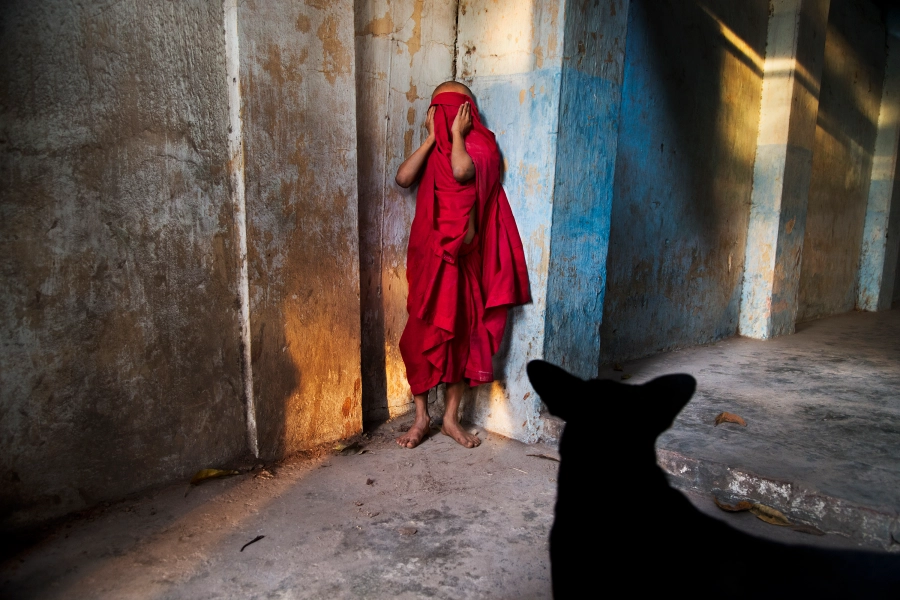
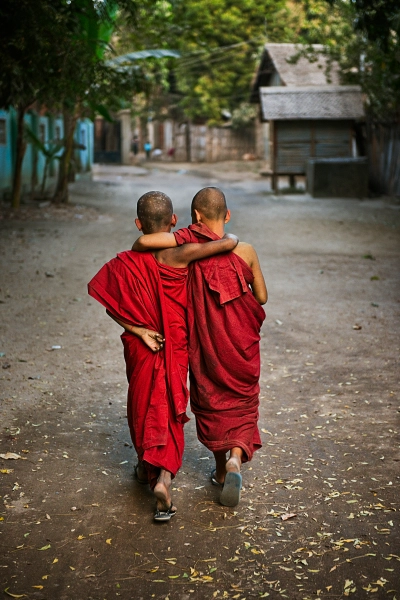
Young monks at play, Burma, 1994

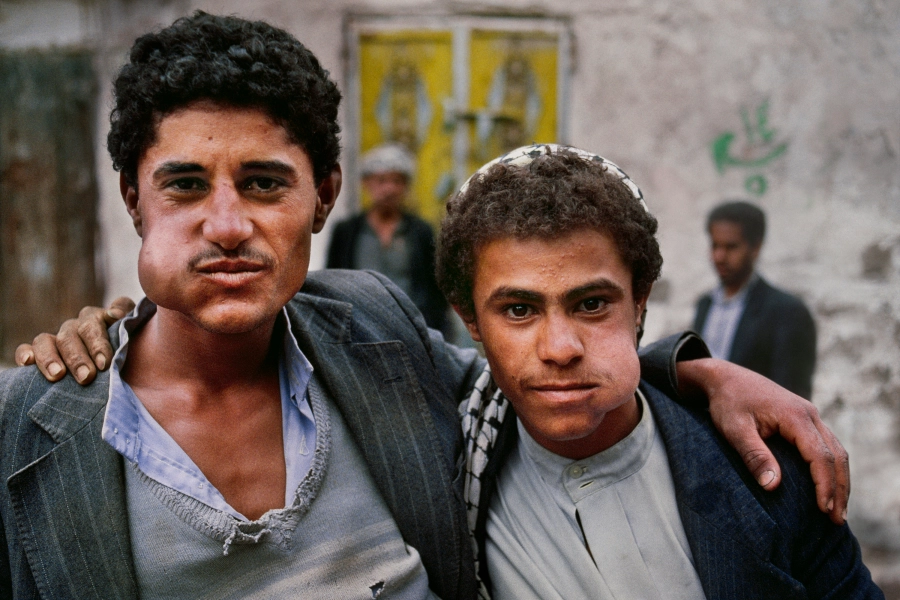
Yemen, 1997

Child’s play is the exultation of the possible. – M. Buber

Children at Work

Posted in Uncategorized with tags , , , , , , , , , , on December 1, 2009 by stevemccurry

In developing countries one in six children from 5 to 14 years old is involved in child labor.

Nepal, 1983

In the least developed countries, 30 percent of all children are engaged in child labor.

Boy working in candy factory, Kabul, 2006

Worldwide, 126 million children work in hazardous conditions, often enduring beatings, humiliation and sexual violence by their employers.

An eleven-year-old boy working in gold mine, Mindinao, Philippines, 1985

An estimated 1.2 million children — both boys and girls — are trafficked each year into exploitative work in agriculture, mining, factories, armed conflict or commercial sex work.

Tibetan Girl, 2002

Children work in an opium field in Badakhshan,  Afghanistan. 1982

The highest proportion of child laborers is in sub-Saharan Africa, where 26 percent of children (49 million) are involved in work.

Niger, 1995

Boy sells flowers in busy road, India 1993

Young Welder, Bombay, India, 1994

“Child labor and poverty are inevitably bound together,  and if you continue to use the labor of children as the treatment for the social disease of poverty, you will have both poverty and child labor to the end of time.” -  Grace Abbott

Sources: www.unicef.org, www.ilo.org, www.crin.org

Next blog entry will be “Children at Play”

The Path to Buddha

Posted in Uncategorized with tags , , , , , , , , , , , , , , , , , , , , on November 20, 2009 by stevemccurry

I am often asked about which countries I enjoy photographing the most.  That’s very hard to answer, but I do enjoy going back again and again to Buddhist countries, Laos, Thailand, Cambodia, Bhutan, Tibet, Sri Lanka, and Burma.

Buddha statue in Mandalay, Burma, 2008

Monk at the Jokhang Temple in Lhasa, Tibet, 2000

The ethics and the aesthetics of Buddhism are melded in a unique way. The vivid color of robes and sacred places contrast with the monochromatic tradition I grew up with.

Young monks play with computer games in Sera Monastery in Bylakuppe, India, 2001

Every time I have visited a Buddhist monastery, I have seen a playfulness among the monks, a joy in the way they conduct themselves and the way they interact with each other.

Young nun, Rangoon, Burma, 1994

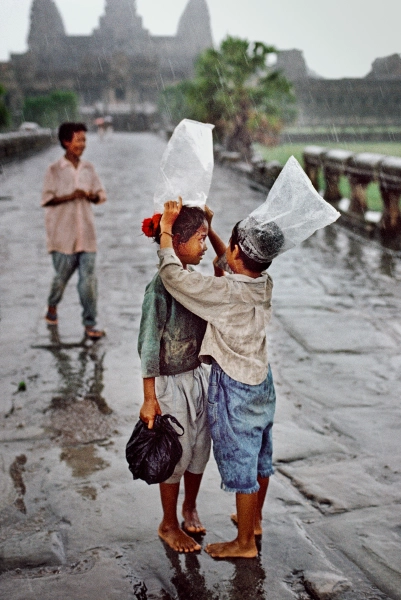
Monks in the Rain, Angkor Wat, Cambodia, 1999

A monk studies Buddhist scripture in the late afternoon at a monastery in Aranyaprathet, Thailand, 1996

As I photographed the picture of the monk and the cat in a monastery in Thailand, it occured to me that all the qualities that I observed – contemplation, serenity, meditation – are ones that are antithetical to the hard-charging, ladder-climbing Western culture.

Young monks study Buddhist scripture at a monastery in Litang, Kham, Tibet, 1999

Pilgrim praying at the Buddhist academy of Larung Gar, near Serthar, Kham, Tibet, 2001

The Monks have a way of taking something we could consider mundane, and transform it into something sacred.

Candles are a form of offering at the Tibetan Prayer Festival, during which thousands are lit under the Bodi tree. Bodh Gaya, India, 2000

Monasteries have always been places of refuge for people and animals who have no other place to go.  Monks will share whatever they have, no matter how small.

Woman meditates in Bagan monastery, Burma, 2008

Even though they get merits for helping people in need, one never has the impression that they do it for any other reason other than their good nature, dedication, and hospitality.

Quotations from the Buddha:

“Teach this triple truth to all:  A generous heart, kind speech, and a life of service and compassion are the things which renew humanity.”

“Just as a candle cannot burn without fire, men cannot live without a spiritual life.”

“In the sky, there is no distinction of east and west; people create distinctions out of their own minds and then believe them to be true.”

Children of War

Posted in Uncategorized with tags , , , , , , , on November 13, 2009 by stevemccurry

Every gun that is fired, every warship launched, every rocket fired, signifies, in the final sense, a theft from those who hunger and are not fed,  those who are cold and are not clothed.

The world in arms is not spending money alone.

It is spending the sweat of its laborers, the genius of its scientists, the hopes of its children.  — Dwight D. Eisenhower

Kabul, Afghanistan, 1992

Kabul, Afghanistan, 1993

philippines-10023

Luzon, Philippines, 1986

LEBANON-10001

Beirut, Lebanon, 1982

KUWAIT-10042chidlreninwar

Kuwait City, 1991

AFGHN-10060

A landmine victim, Pul i Khumri, north of Kabul, Afghanistan, 1992

KUWAIT-10021-NS

Shepherd boy at Al Ahmadi, Kuwait, 1991

AFGHN-10118

Kandahar, Afghanistan, 1985

AFGHN-10158

Child with Dutch Soldier, Afghanistan, 2002

Tamil Tigers recruits during training, west of Batticola, Sri Lanka, 1995

AFGHN-12895NF

Kabul, Afghanistan,  1992

Veterans’ Day, 2009

Posted in Uncategorized with tags , , , , , , on November 11, 2009 by stevemccurry

Thank you to our active duty service members and all veterans today and every day.

00389_17veteransdayKuwait, 1991

00295_01v.d.2Kuwait, 1991

00390_04vdnsKuwait, 1991


AFGHN-10152Treating an Afghan child, Kabul, Afghanistan, 2002


IRAQ-10041 Iraq, 2003


AFGHN-10187Afghanistan, 2002


PHILIPPINES-10020Luzon, Philippines, 1985


BIO-10090On assignment during Desert Storm, 1991


Unpublished, Unseen

Posted in Uncategorized with tags , , , , , , , , , , on November 6, 2009 by stevemccurry

Over the past thirty years, I have taken hundreds of thousands of pictures.  Many of them have been published in my books, in magazines, and seen in my exhibitions, but a majority have never been seen.  Here are a few of those unseen pictures.

Note:  November 9 – I have added some pictures at the bottom of the Berlin Wall which came down twenty years ago today.

00239_12Kashmir, 1999


00354_01Kashmir, 1998


00546_17Java, 1983


00035_14Burma, 1994


00535_06Australia, 1983


00570_17Kandahar, Afghanistan, 1992


AFGHN-12909UUBamiyan, Afghanistan, 2006


AFRICA-10150Morocco, 1988


00364_09NYManhattan neighborhood, 1996


00081_12NYCPCentral Park, New York, NY, 1994


00438_19_8Berlin WallFall of the Berlin Wall,  November, 1989


Berlin Wall1


Wall1


Wall4


00438_06Wall2